Prairieville Animal Hospital: Affordable Vet Services for Routine Wellness
@sethfkja059
September 30, 2026 · 18 min read
A quiet morning at Prairieville Animal Hospital often starts with a familiar face at the desk and the gentle nudge of a wagging tail as clients settle into the lobby. The reality of affordable care is not about cutting corners; it’s about designing a system that keeps pets healthy without turning routine visits into financial stress. Over the years, I’ve come to appreciate how a clinic that prioritizes routine wellness, transparent pricing, and practical preventive strategies can transform the everyday experience of pet owners and their companion animals. This piece draws on those lived experiences, concrete numbers, and the small, often overlooked decisions that add up to real value.
Finding a steady baseline of care is the foundation. For many families, the initial hurdle is not merely the cost of a single visit but the cumulative expense that comes with managing a pet’s health year after year. At Prairieville Animal Hospital, the focus is on predictable, affordable care that covers the essentials—annual vaccinations, parasite prevention, weight management, dental health, and early disease screening. The aim is simple: to catch preventable issues before they become urgent emergencies, while helping owners understand what is necessary and what isn’t for their particular pet.
From the moment a new client walks in, there is a quiet, consistent rhythm. The front desk staff explains the standard wellness exam, what vaccines are typically required and when, and how a preventive care plan can be tailored to fit a family’s budget. There is a practical honesty to these conversations. Pet care is a collaboration, not a one-sided transaction. You want to protect a dog’s joints, a cat’s kidneys, a rabbit’s digestive system, or a geriatric horse’s dental health, and you want to do it without compromising the household budget. The staff at Prairieville Animal Hospital understands that balance, and it shows in how they structure care plans.
A core principle here is preventive pet care. Wellness isn’t glamorous in the way animal hospital near me surgery or acute care can be, but it is profoundly effective. Routine bloodwork, urine testing, and heartworm and parasite screening can reveal subtle shifts in a pet’s physiology well before any outward signs appear. When those early signals are caught, adjustments to diet, exercise, medications, or supplements can be made with minimal disruption and cost. The practice tends to present wellness as a long game rather than a single moment in time. That framing matters because most pet health problems arrive gradually, and owners often miss the signs until the situation becomes more expensive and more stressful.
The affordability angle is not about de-emphasizing care; it’s about framing care as an ongoing, manageable commitment rather than an unpredictable expense. During annual visits, the team walks clients through what is included in routine wellness and what might be considered optional or situational, such as certain advanced diagnostics or specialized therapies. They explain the rationale and offer alternatives that preserve the safety net without draining a family’s finances. It’s a thoughtful approach that respects both science and the realities of day-to-day budgeting.
As a clinician, I’ve seen how preventive care translates into fewer crises. When dental health is addressed early, for example, the risk of infectious disease and systemic inflammation drops. When vaccines are kept up to date, the chance of contagious disease in households with multiple pets decreases. When weight is managed, arthritic changes slow, and longevity improves. These aren’t abstract outcomes; they show up in a chart over time and in the quiet confidence of a client who no longer dreads the annual wellness bill because they understand what they are paying for and why it matters.
The practical question, of course, centers on what “affordable” means in a veterinary setting. It’s not a fixed price tag, but a framework. Prairieville Animal Hospital has built a tiered approach to routine care that can be scaled to families with varied incomes and needs. For some, an annual wellness exam and core vaccines are all that is necessary, while for others, a broader preventive package that includes dental care, microchipping, and parasite prevention makes more sense. The key is transparency. Clients should never feel surprised by what shows up on a bill. The staff takes time to itemize each component, explain the purpose, and discuss timing so families can plan ahead.
In practice, practical care at this clinic often begins with the basics: a clean, welcoming exam room, a familiar scent that eases nervous pets, and a veterinarian who speaks in terms that are easy to grasp. I recall a routine wellness visit with a middle-aged Labrador named Daisy. Daisy had a history of seasonal allergies, but the owner couldn’t afford an annual comprehensive screen. We started with a baseline measurement: physical exam, vaccination check, dental assessment, and a quick discussion about weight and activity. We added a basic program of dental care at home, a gentle dental scaling plan, and a plan for annual bloodwork spread over two visits to avoid sticker shock. Daisy’s owner left with a clear, affordable path rather than a fear of the unknown.
The most valuable part of this approach is the human connection that runs through every interaction. The team at Prairieville Animal Hospital does not view owners as customers meeting a quota; they see them as partners in care. That distinction matters because even small, everyday questions can become big when a pet’s health is at stake. A client may worry about the cost of blood work or whether a certain vaccine is necessary for a pet that is strictly indoors. The staff’s approach—listening, clarifying, offering evidence-based options, and outlining a plan—transforms anxiety into shared decision making. In my experience, that is where affordable care becomes sustainable care.
A critical piece of the wellness puzzle is consistency. We live in a world of busy schedules and fluctuating cash flow, and the ability to maintain a predictable care routine matters a great deal. Prairieville Animal Hospital recognizes this and has built systems to support it. Routine reminders, flexible appointment slots, and a clear policy on pricing help families stay the course. The practice does not rely on occasional, dramatic interventions to drive revenue; instead, it leans into the steady, year-after-year maintenance that keeps pets healthier and reduces the likelihood of emergency visits. When a pet is seen regularly, the veterinarian develops a contextual understanding of the animal’s baseline, which strengthens the quality of care and the efficiency of visits.
There are real-life constraints to consider as well. Not every pet requires the same level of preventive care, and not every owner can absorb the same cost in the same month. The veterinary team here recognizes that constraint and works within it. For example, a senior dog with arthritis and regulated appetite may benefit from a targeted wellness plan that focuses on pain management, joint health, and kidney function, all within a budget the owner can sustain. A younger indoor cat might only need vaccines and a yearly wellness exam, with a periodic screen if indicated by age or breed risk. These decisions are rarely made in isolation; they are the product of a dialogue between veterinarian, client, and often a trusted family member who helps interpret the pet’s day-to-day life.
One of the practical strengths of Prairieville Animal Hospital is the integration of services that are commonly needed but sometimes priced in ways that surprise clients. Consider dental care, a frequent point of tension for households. Dental hygiene is not a luxury; it influences a pet's appetite, energy, and general health. The clinic emphasizes dentistry as a preventive measure, with a staged plan that begins with at-home care and culminates in professional cleaning when appropriate. The goal is to maintain comfort and function without turning the cost into a barrier. A routine dental cleaning can prevent costly complications down the line, and the clinic’s transparent pricing helps families decide when and how to proceed.
The boarding aspect, often necessary for families who travel or work long hours, is another facet of care that intersects with wellness. Boarding at Prairieville Animal Hospital is designed to be more than a stopgap between trips; it is a monitored care plan. Pets in boarding come under the same umbrella of preventive care as those at home. Vaccinations are verified, weight is tracked, and daily checks occur to catch changes in appetite or behavior early. For many clients, the boarding experience at an affiliated facility represents not only a place for rest but an extension of preventive care. The staff keep a log of feeding routines, medications, and any behavioral signs that require attention. That level of continuity matters when a family is away and the pet is relying on a consistent routine for comfort and stability.
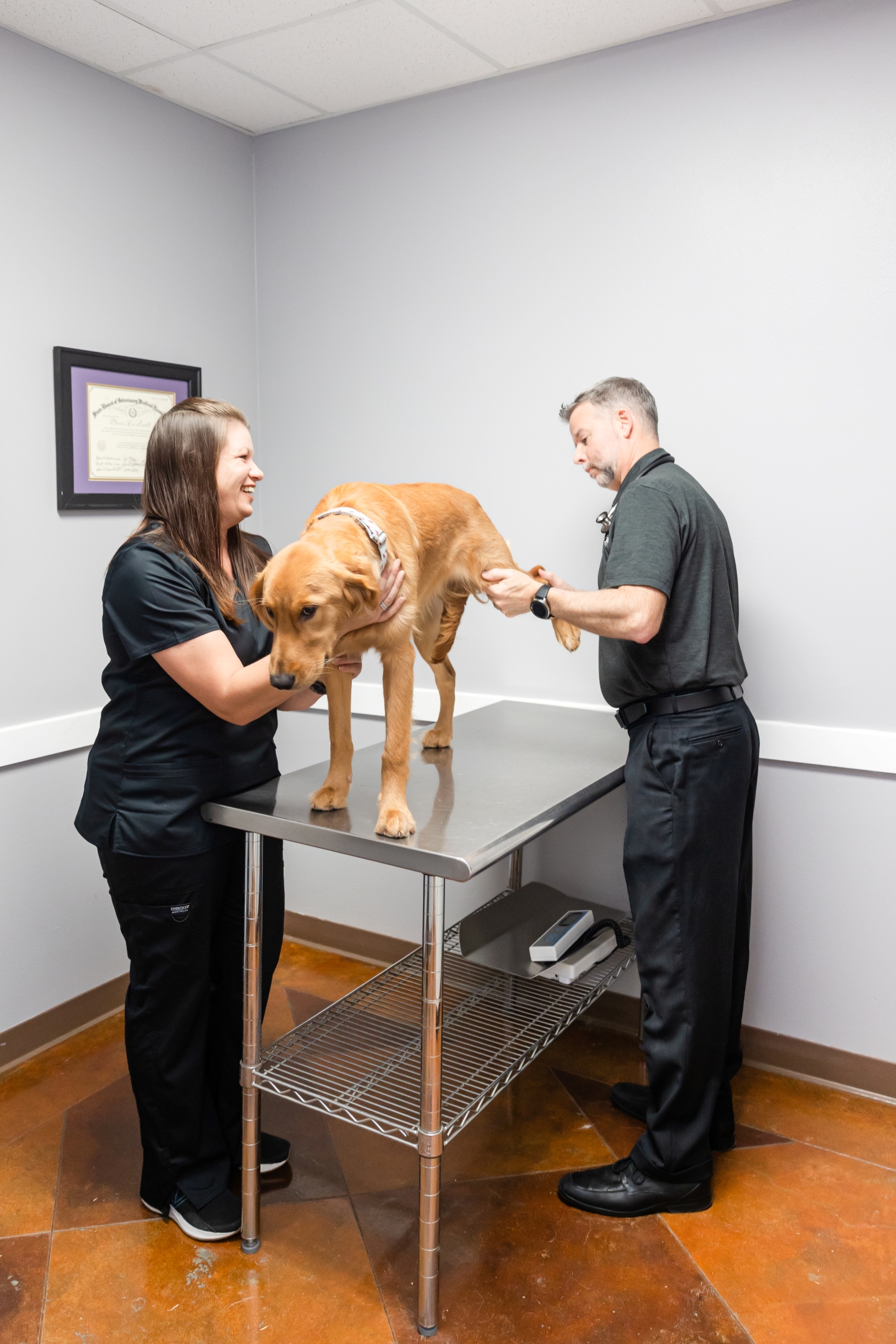
Senior pet care deserves particular attention. As animals age, the balance of care becomes more nuanced. A senior dog or cat may require more frequent assessments, adjustments to medications, and a broader battery of tests to monitor organ health. Prairieville Animal Hospital treats senior care as a partnership aimed at preserving function and vitality. The approach is defined by measurable signals: reductions in energy bursts after a walk, changes in appetite timing, or subtle shifts in coat condition. The clinic responds with timely rechecks, adjustments to nutrition, and targeted therapy when needed. The objective is clear: maximize quality of life while staying within reasonable financial boundaries. The conversation about senior care is rarely dramatic; it is more like a steady, necessary calibration that happens in plain terms, one appointment at a time.
If there is a measurement of success in this work, it is the number of pets that ride out a year with minimal urgent visits. When owners keep up with preventive care, the need for emergency intervention declines. The clinic tracks outcomes, not merely visits, and that data informs both practice and pricing. A straightforward, recurring schedule—vaccinations in the fall, parasite prevention in the spring, a midyear wellness check, and probiotic or dental support as needed—proves to be a reliable framework. It is not unusual to see a family arrive with a single question about affordability, only to leave with a plan that continues to protect a pet for another twelve months and beyond. That is the practical effect of affordable vet services when they are structured with empathy and clarity.
The service landscape at Prairieville Animal Hospital is not about selling more services; it is about enabling better, simpler care. There is a steady undercurrent of educational resources for owners. The clinic shares bite-sized, actionable guidance on weight management, exercise planning, and home dental care. These are not fancy marketing slogans but practical, repeatable routines that families can incorporate into daily life. When owners understand the link between routine actions and long-term health outcomes, the value of preventive care becomes tangible. It is easier to justify a moderate monthly preventive package when the payoff is measurable in fewer visits for acute issues and steadier energy levels in pets.
To give a sense of how this translates into everyday decisions, here are a few concrete examples from recent months:
- A household with two cats on a modest budget adopted a preventive care plan that included a yearly full wellness exam, core vaccines, and a quarterly weigh-in and dietary review. The result was stable weights across both cats, a notable reduction in hairball incidents, and no surprises at the annual exam. The family appreciated the predictable monthly cost and the sense that they were doing the right thing, not merely ticking boxes.
- A senior dog with mild arthritis benefited from an adjusted activity plan and a targeted arthritic management protocol. Instead of a single, large bill for comprehensive care, the approach spread the work across several smaller visits, aligning with the owner’s cash flow and allowing for ongoing assessment. The dog showed improved mobility and more consistent sleep patterns, which the owner could observe at home.
- A rural family relying on Prairieville Animal Hospital during a busy travel season used the boarding option as an extension of preventive care. The staff maintained daily logs, adjusted feeding and medication schedules, and kept in close communication with the owner. The outcome was peace of mind while away and a pet whose routines stayed steady.
In the end, the value of affordable preventive care rests on practical outcomes: fewer emergencies, steadier health baselines, and households that feel empowered to maintain their pets' well-being without constant financial worry. The team at Prairieville Animal Hospital does not pretend that care costs disappear. They acknowledge real-world constraints and respond with humane, efficient solutions that respect both science and families’ budgets.
Two small but meaningful ways to simplify care, if you are weighing options, come to mind. First, set up a yearly preventive calendar with your veterinarian that aligns with your pet’s life stage. It is far easier to remember a handful of key check-ins than to react to a sudden problem. A second lever is to prioritize at-home preventive measures that have proven impact, such as consistent nail trimming, dental hygiene routines, and a stable, protein-appropriate diet. When owners bring these elements into daily life, the benefits compound over months and years. The clinic’s role is to guide and support that practice, not to replace it with a faceless policy.
A note on accessibility and trust. Veterinary care is intimate work. It touches daily routines, sensitivities, and families’ deepest hopes for their animals. The trust built at Prairieville Animal Hospital rests on consistent communication, transparent pricing, and honest assessments. Clients know they can ask about a plan’s components, request alternatives, or voice concerns about cost without risking judgment. This relational dimension—where the clinician, staff, and family operate as a team—elevates routine wellness from a series of transactions to a shared commitment. It is a mark of maturity in veterinary practice and a quiet but powerful argument for why affordable care should be a central value in any community clinic.
The road ahead for Prairieville Animal Hospital is not about chasing novelty for novelty’s sake. It is about refining a system that works in real life: the morning drop-ins, the late afternoon appointment rain checks, the urgent dog with a scraped paw that still needs scheduling, and the family who simply wants their pet to stay healthy. It is about balancing science with practicality, evidence with empathy, and the immediacy of today with the patience of long-term care. The clinic’s philosophy remains straightforward: provide solid preventive care, communicate clearly about cost and options, and treat each pet as a living being with a unique story and a real place in a family.
In the end, what makes affordable veterinary services meaningful is not a single policy or price point. It is the daily discipline of offering reliable care that respects the rhythms of life. It is the willingness to explain why a certain vaccination schedule makes sense for one pet but not for another, to present a realistic prognosis, and to stand with a family as they navigate the choices that shape a pet’s health trajectory. Prairieville Animal Hospital shows that affordable care and high-quality preventive wellness can coexist, and that stability and trust, built over time, are the true measures of value.
Two practical considerations often surface when people weigh options for affordable vet services. First, the timing of preventive care matters. The schedule must mesh with school calendars, work commitments, and seasonal illnesses in the broader community. Second, the communication style of the clinic matters as well. When clients leave with clear notes on what to watch for, how to adjust a diet, or when to schedule the next check, they feel informed and empowered rather than overwhelmed. These dual priorities—timing and communication—shape the everyday experience of care at Prairieville Animal Hospital, turning routine visits into predictable investments in health rather than unpredictable expenses.
If you are exploring options for preventive pet care in Prairieville, you may notice subtle differences between clinics that affect long-term outcomes. Some practices emphasize high-tech diagnostics at every turn, which can feel reassuring to some owners but may create a sense of pressure and escalating costs for others. Prairieville Animal Hospital tends to strike a balance that prioritizes essential wellness while reserving more advanced testing for cases where there is a clear medical indication. That stance does not compromise quality; it augments it by keeping care grounded in what pets actually need at each life stage.
The human factor is just as important as the medical one. The amount of time a staff member spends listening to a client, reviewing a chart, and answering questions translates directly into the pet’s health trajectory. When owners feel heard, they are more likely to commit to a plan, ask important questions, and report changes early. This collaborative atmosphere is not an accident. It emerges from a culture that values transparency, practical know-how, and a shared mission to keep animals thriving. The result is a clinic that feels less like a place you visit and more like a trusted partner that happens to handle vaccinations, dental cleanings, and pet boarding under one roof.
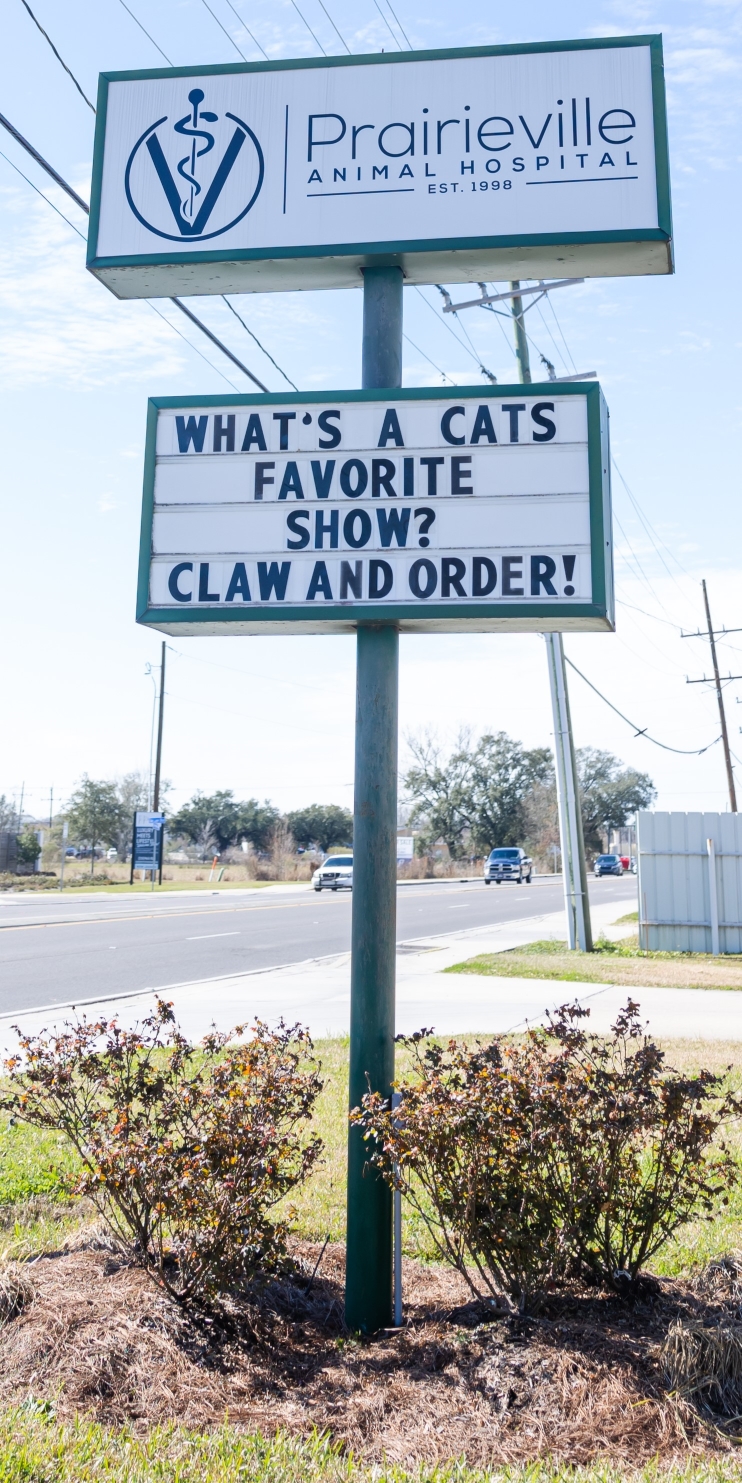
In sum, Prairieville Animal Hospital offers a model of affordable, accessible preventive care that grows with a family’s needs. It is a place where routine wellness is not an afterthought but a daily practice embedded in the clinic’s routines, pricing, and conversations. It is a place where senior pets are treated with the nuance and attention they deserve, where boarding integrates seamlessly with ongoing health monitoring, and where every appointment is a chance to reinforce a plan that keeps a pet healthy, happy, and comfortable. The value comes not from spectacle but from consistency, clarity, and a steady commitment to doing the right thing for each patient who walks through the door.
If you are considering Prairieville Animal Hospital for your pet’s care, there are a few signals to look for that align with the clinic’s philosophy. You should encounter an upfront discussion about what preventive care entails, an explanation of how pricing works, and an invitation to tailor a plan to your pet’s needs and your budget. You should sense a calm, knowledgeable tone from the clinicians, a willingness to revisit a plan at any time, and a practical emphasis on home care that supports medical interventions rather than competing with them. All of these elements reflect a clinic that treats wellness as a collaborative, ongoing project rather than a one-off service.

Let this be a reminder that affordable preventive care is not about shrinking depth or quality. It is about aligning the science of veterinary medicine with the realities of everyday life. It is about building a long-term relationship between families and their veterinarians, rooted in trust and supported by clear, actionable guidance. In that sense, Prairieville Animal Hospital embodies the kind of veterinary practice that many communities need—one that makes routine wellness feel accessible, dependable, and genuinely worthwhile.
Notes from the field suggest that the best outcomes emerge when clinics combine clear health ladders with compassionate patient stewardship. A health ladder is not a fetish for metrics; it is a practical blueprint for progress. It suggests when to push for more testing, when to scale back, and how to align decisions with a family’s resources. It is the kind of framework that helps a pet live a longer, more comfortable life and helps owners feel confident about their choices. Prairieville Animal Hospital has built such ladders into their daily work, and the result is a clinic that not only treats animals but supports the people who love them.
For families who value predictability, accountability, and a steady hand in pet care, affordable routine wellness at Prairieville Animal Hospital becomes more than a service. It becomes a reliable partner that helps you navigate the ups and downs of pet ownership with less stress and more certainty. The goal is straightforward: a healthy pet, a calm household, and a shared sense of trust that comes from knowing you have a reliable veterinary partner by your side.
If you are curious about the specifics of pricing or what a typical preventive plan looks like, consider starting with a basic wellness exam and core vaccines. From there, your veterinarian can suggest a schedule tailored to your pet’s age, breed, and risk factors. The conversation may lead to a midyear wellness check, dental care planning, or a targeted screening that reflects your pet’s health trajectory. The point is not to overwhelm you with options, but to offer you a path that is transparent, manageable, and oriented toward long-term health.
A final reflection on the lived experience of routine wellness is this: it is rarely dramatic in the moment. Its value unfolds gradually, in the form of steadier energy, fewer trips to the emergency room, and more confidence in making day-to-day decisions. That quiet continuity—year after year—defines a well-run preventive care program and explains why affordable services, when designed with care, deliver genuine, lasting outcomes.
Two concluding thoughts for families weighing options. First, do not underestimate the power of a trusted clinic that communicates clearly about what is necessary and what can wait. Second, remember that preventive care is not a single visit but a recurring obligation that pays dividends in comfort for your pet and peace of mind for you. Prairieville Animal Hospital stands as a practical example of what a well-run, affordable veterinary practice can look like when clinicians combine science, honesty, and real-world understanding of daily life. It is not flashy, but it is dependable—and that is precisely what most pet owners need in a partner they can rely on for years to come.