Prairieville Animal Hospital Animal Hospital: Comprehensive Pet Care
@sethfkja059
September 30, 2026 · 15 min read
The story of a small town clinic becoming a steady heartbeat for hundreds of families starts long before the doors open each morning. It begins with the people who run the place, with the quiet rituals that form the daily rhythm, and with the simple belief that pets belong in a family that takes care of them. Prairieville Animal Hospital operates in that space between medical precision and everyday compassion. Over the years I have watched it evolve from a clinic that handled routine care into a community hub where owners learn to read their animals better, where staff remember names and stories, and where the science of veterinary medicine is translated into practical guidance for busy lives.
This article is not a sales pitch dressed up as empathy. It is a grounded account of what comprehensive care looks like in a real veterinary practice. It draws on the kind of details you notice only after years of seeing sick pets, anxious owners, and the small miracles that happen when a clinic gets the balance right between science, service, and accessibility. If you are a pet parent weighing options, or a practitioner curious about how a mid-sized hospital sustains high standards while staying human, this piece offers observations drawn from daily life rather than glossy brochures.
A firm foundation
From the moment a client calls for a same-day appointment or a routine wellness check, Prairieville Animal Hospital operates with a philosophy that care is a team sport. The veterinarian is the lead, but the nurse, the technician, the receptionist, and the practice manager each contribute a thread to the fabric of care. In my time there I have seen how hard it is to balance the medical needs of an aging dog with the emotional needs of a worried owner, and how misalignment in any one area—time, empathy, or accessibility—can undermine the entire visit.
The hospital’s footprint in Prairieville is practical and welcoming. The lobby is bright without being flashy, the exam rooms are organized for efficiency without feeling cold, and the surgical suite is a quiet, focused space where literature and practice meet in real time. A clinic like this does not thrive on glamour. It survives on consistency: consistent triage, consistent record-keeping, and consistent follow-through after the client leaves. In a field where patients cannot tell you what hurts until they are asked the right questions, consistency becomes a form of medicine.
Wellness as a habit, not a moment
Comprehensive pet care hinges on the idea that wellness is not a single visit but a pattern of decisions made over years. The team at Prairieville Animal Hospital keeps that pattern visible by weaving preventive care, early detection, and owner education into every encounter. A wellness exam is more than a quick pulse and a weight check. It is a conversation about the animal’s life stage, daily routine, and home environment. It is about understanding that a cat that hides under the bed during a physical may be signaling stress rather than illness, and that a dog with a dry nose in winter is not necessarily a sign of fever but a reminder to rehydrate and consider humidification.
The practical structure of preventive care is straightforward, if sometimes complex in execution. Annual or semi-annual exams, age-appropriate blood work for older patients, dental assessments, vaccination status reviews, parasite prevention guidance, and nutrition consultations all coexist within a single plan that is tailored to each animal. The challenge is coordinating these elements in a way that respects the owner’s budget and schedule while not compromising clinical standards. In real terms, that means flexible appointment times, clear explanations of recommended tests, and a readiness to split care across several visits when the animal is anxious or when a test requires more time than a routine check.
The art and science of diagnostics here
Diagnostics in a veterinary hospital can be a brisk piano piece with fast notes or a slow ballad that requires patience. The instrument is the patient, and the tempo is determined by symptoms, history, and physical findings. Prairieville Animal Hospital has built a diagnostic workflow that mirrors a well-tuned rhythm section: the veterinarian leads with a focused examination, the nurse supports with observational notes and initial testing, and the technician handles imaging, laboratory work, and anesthesia planning. This collaboration matters because the moment a veterinarian leans toward a diagnosis on a single observation is the moment risk rises. A methodical approach with confirmation tests, when necessary, keeps the clinical narrative honest.
Case conversations reveal the value of careful differential diagnoses. A senior mixed-breed might present with lethargy and reduced appetite, which prompts a primary hypothesis such as chronic kidney disease or liver concerns, but the clinician will also ask about dental health, recent changes in weight, ingestion habits, hydration, and exposure to toxins. The outcome is not a single verdict; it is a set of provisional questions, followed by tests that confirm or refute each possibility. When the results arrive, they are explained in plain language, with references to how the findings translate into meaningful steps for treatment or monitoring. The goal is to empower owners to participate actively in the plan, to understand why a particular test is recommended, and to know what success looks like.
Lifespan alignment: management across stages
Pets, like people, move through life in stages, each with its own focus. Program design in a veterinary hospital should reflect those changing priorities. With puppies and kittens, the emphasis is nutrition, vaccination, deworming, and socialization. For adults, it shifts toward balanced diet, dental care, weight management, and early screening tests. For seniors, the emphasis becomes chronic disease management, quality of life, mobility support, and palliative care when needed. Prairieville Animal Hospital has learned that prognosis and care plans are more durable when they acknowledge these life stage realities rather than treating care as a one-size-fits-all package.
One practical example is dental health. A dog that tolerates brushing at home and receives routine dental cleanings every year or two can avoid many complications down the road. The hospital staff often explains dental disease in terms owners can relate to—bad breath, redness along the gum line, and changes in eating behavior—then presents a plan that includes home care and professional cleanings. The trade-off is clear: more hands-on work now yields better long-term comfort and fewer complications. The edge cases are equally instructive. Some animals resist brushing due to sensitive mouths, while others have systemic conditions that complicate anesthesia for dental procedures. In those moments the team must balance risk, benefit, and the owners’ capacity for ongoing care.
The patient experience: communication that sticks
A hospital of good standards only reaches its full potential when owners leave with confidence, not with a pile of questions. Prairieville Animal Hospital recognizes this by dedicating time to explain what happens and why it matters. The language used in the clinic avoids jargon whenever possible, but it does not shy away from precise terms when they are essential for understanding. For instance, when discussing a blood panel, the team will outline what each value signals, how it relates to the animal’s energy level, appetite, or hydration, and what thresholds would necessitate a change in treatment or a repeat test. It is not about scary numbers; it is about actionable interpretation.
Owner education at the clinic often takes the form of short, targeted conversations that fit within the flow of a visit. A familiar pattern emerges: assess the problem, propose the most likely diagnoses, present a plan with clear steps, discuss costs and timeframes, and then set expectations for follow-up. The hospital notebook acts as a living document, with test results attached, notes about home care, and reminders about upcoming vaccines or rechecks. This approach helps families feel aligned with the medical journey their pet is on, whether it is managing a chronic condition or navigating a straightforward wellness plan.
Surgical care and anesthesia: safety as a standard
Surgical interventions, when required, demand the highest level of coordination and safety. Prairieville Animal Hospital maintains a surgical suite that operates under strict protocols for anesthesia, monitoring, and post-operative care. The anesthesia plan is individualized, taking into account the animal’s age, weight, health status, and the specific procedure being performed. A key principle is minimizing anesthesia exposure and ensuring continuous monitoring of heart rate, oxygen saturation, temperature, and other vital signs throughout the operation.
Post-operative recovery is not a sterile afterthought. It includes careful pain management, wound care instructions, and a realistic timeline for activity restrictions. Owners are invited to call if they notice anything unusual and are encouraged to return for planned follow-ups to assess healing progress. When families can see the logic of post-op care—the way pain control improves comfort, or how gentle movement supports tissue recovery—the transition from surgery to home becomes a shared responsibility with a higher probability of a successful outcome.
Emergencies, triage, and accessibility
No clinic wants to be the first choice in a pet emergency simply because it is the only option. Yet in many communities, families deviate toward the clinic that can respond quickly when a crisis hits. Prairieville Animal Hospital has built a triage framework that prioritizes truly urgent cases while still accommodating same-day needs for non-emergency concerns. The triage nurse is trained to gather critical details efficiently, which helps the veterinarian make rapid, accurate decisions about whether to admit, treat on-site, or refer to a specialty center.
Accessibility is another pillar. Extended hours, digital appointment requests, and a straightforward after-hours policy contribute to a sense of reliability. A clinic thrives when clients have a clear sense of how to get help, what to expect during a visit, and where to go if a care plan requires resources beyond what can be provided in-house. In Prairieville, the balance between on-site capability and external networks is deliberate. Some cases demand specialist input, and the hospital maintains professional relationships with nearby boards and referral hospitals to ensure a smooth transition for patients who require advanced care.
Client-centered care: practical routines that make a difference
What people experience in the waiting room often foreshadows the day’s clinical work. A clinic thrives when the first interaction—whether with a receptionist or a technician—feels respectful and efficient. Prairieville Animal Hospital trains staff to greet, listen, and summarize what will happen next in a way that leaves little room for confusion. The result is not a string of promises; it is a series of concrete steps that owners can track.
One meaningful routine is the check-in process for new patients. The team collects basic information about a pet’s health history, current medications, and behavior traits that might affect a visit. This data becomes part of the chart, ready to be referenced by the veterinarian during the exam. It also gives owners a first sense of validation: their pet’s unique story matters here, and the clinic is listening.
The practicals of affordability and planning
Comprehensive care does not come at a fixed price. Costs vary with age, necessary diagnostics, and the intensity of care required. Prairieville Animal Hospital does not pretend that medical decisions can be insulated from budget realities. Instead, the team presents transparent options—explanation of the purpose and value of each test or treatment, realistic timelines, and clear estimates. This level of openness helps families weigh decisions thoughtfully rather than reacting to pressure or fear.
A key strategy is staging procedures when possible. If a full battery of tests is not immediately necessary, the clinic can propose a phased find out more approach that still achieves the goal of early detection without overwhelming the client with a single, overwhelming bill. In this approach, the plan becomes a collaboration rather than a directive, and owners retain ownership of the pace at which care unfolds.
Two distinct service philosophies, one shared standard
The hospital’s suite of services is broad enough to cover routine preventive care, dentistry, vaccines, and senior pet management, yet focused enough to ensure nothing falls through the cracks. The conversation around services often travels beyond the obvious: microchipping for safety, nutritional counseling tailored to breed and life stage, behavioral guidance for anxious pets, and environmental advice for homes with children or other pets. The philosophy that ties these offerings together is not simply to treat illness but to empower owners to keep their animals healthy. This means providing practical tools they can use at home and giving them a reliable partner in the clinic when problems arise.
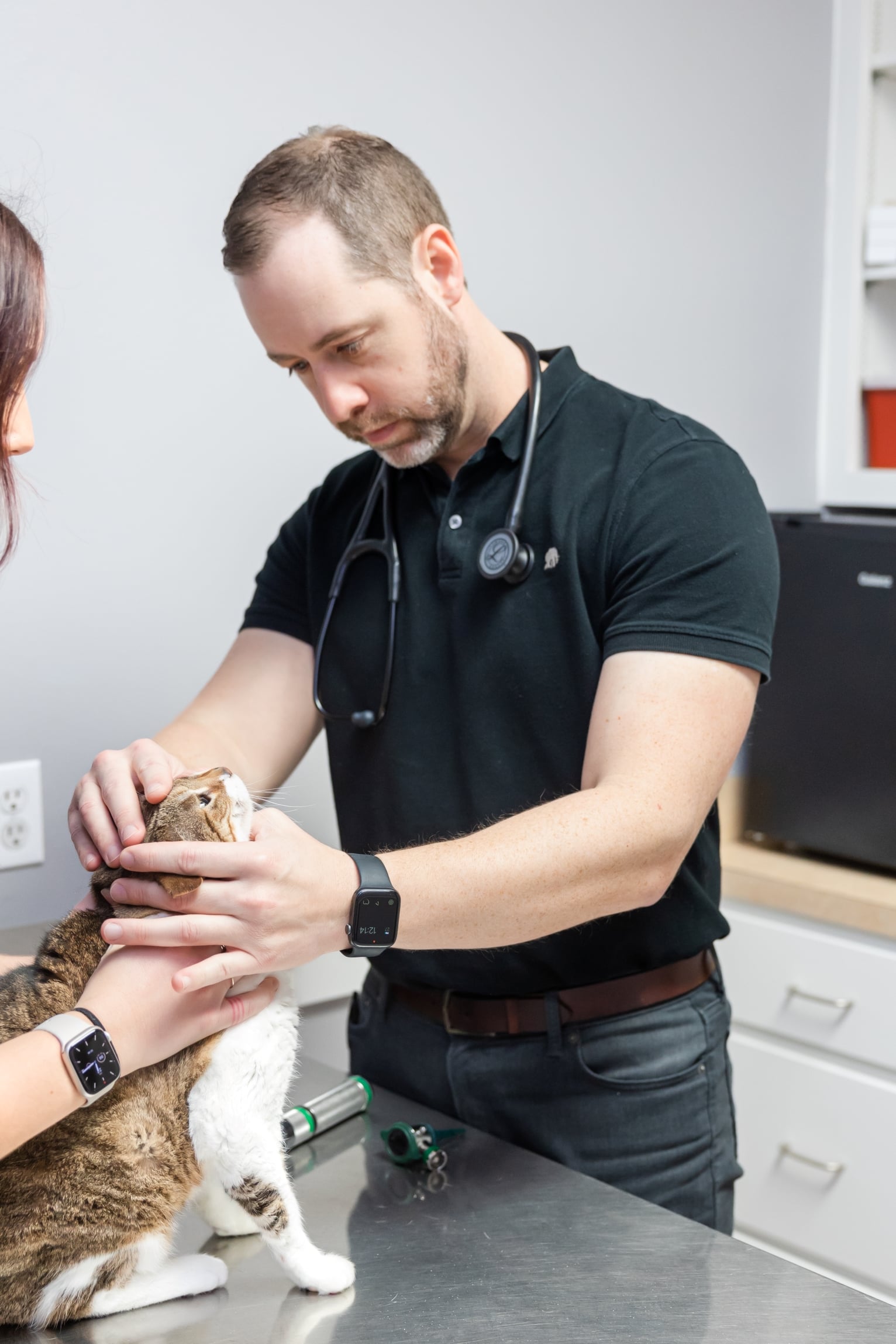
In practice, this translates to an ecosystem that supports the animal across the years. The front desk remembers a patient’s favorite walking route after a senior exam, the tech updates a vaccination reminder, and the veterinarian notes a home-done dental care routine that showed promise. The hospital becomes more than a place to visit; it becomes a resource in the family network, a dependable reference point that families return to without hesitation when the need arises.
Two concise lists that capture practical approaches
-
Core elements of preventive care at Prairieville Animal Hospital: 1) Regular wellness exams with age-appropriate screening 2) Vaccination schedules tailored to lifestyle and risk 3) Dental health planning including home care and professional cleanings 4) Parasite prevention and environmental risk assessment 5) Nutrition counseling and weight management support
-
How to prepare for a visit and make the most of it: 1) Bring a current list of medications and recent medical history 2) Note any behavioral changes or appetite shifts, even if subtle 3) Ask for plain language explanations of tests and results 4) Discuss realistic home care plans that fit your routine 5) Schedule follow-ups before leaving if ongoing management is needed
The human element in numbers
Numbers matter in veterinary care, but not for themselves. They matter as signals. A weight change, a slightly elevated kidney value, or a small uptick in blood pressure can trigger a cascade of decisions that improve a pet’s day-to-day life. During consultations, the numbers are never shown in a vacuum. They are tied to a narrative about how the animal moves, eats, and sleeps. A patient with well-controlled diabetes may have a very different management plan from one facing early kidney changes. Yet in both cases the clinic aims to deliver care with clarity, a plan for monitoring, and a sense that the family is not alone in confronting the challenges.
The practice’s attitude toward medication and treatment plans stems from years of performing careful, conservative care. When a pet presents with pain or mobility issues, the team weighs the pros and cons of analgesics, anti-inflammatories, and non-pharmacological strategies such as physical therapy or weight loss. The goal is to relieve suffering while minimizing risk. In cases where surgery or advanced diagnostics are indicated, the hospital is transparent about the rationale, potential complications, and expected recovery path. This is not a bravura performance but a careful, humane one.
Edge cases: what happens when plans shift
Every clinic encounters patients who do not fit neat categories. A senior dog on a fixed income with chronic arthritis may respond best to a combination of affordable pain management, home modifications, and gentle activity. A cat with chronic kidney disease might present with subtle appetite changes that require a careful recheck rather than an aggressive diagnostic chase. A puppy who turns anxious around strangers may need gradual exposure, enrichment, and a tailored behavior plan that integrates with medical treatment when necessary. Prairieville Animal Hospital handles these moments with flexibility and a willingness to adapt while maintaining core standards. The aim is to keep the patient comfortable and the owner informed, even when the situation requires a pause for re-evaluation.
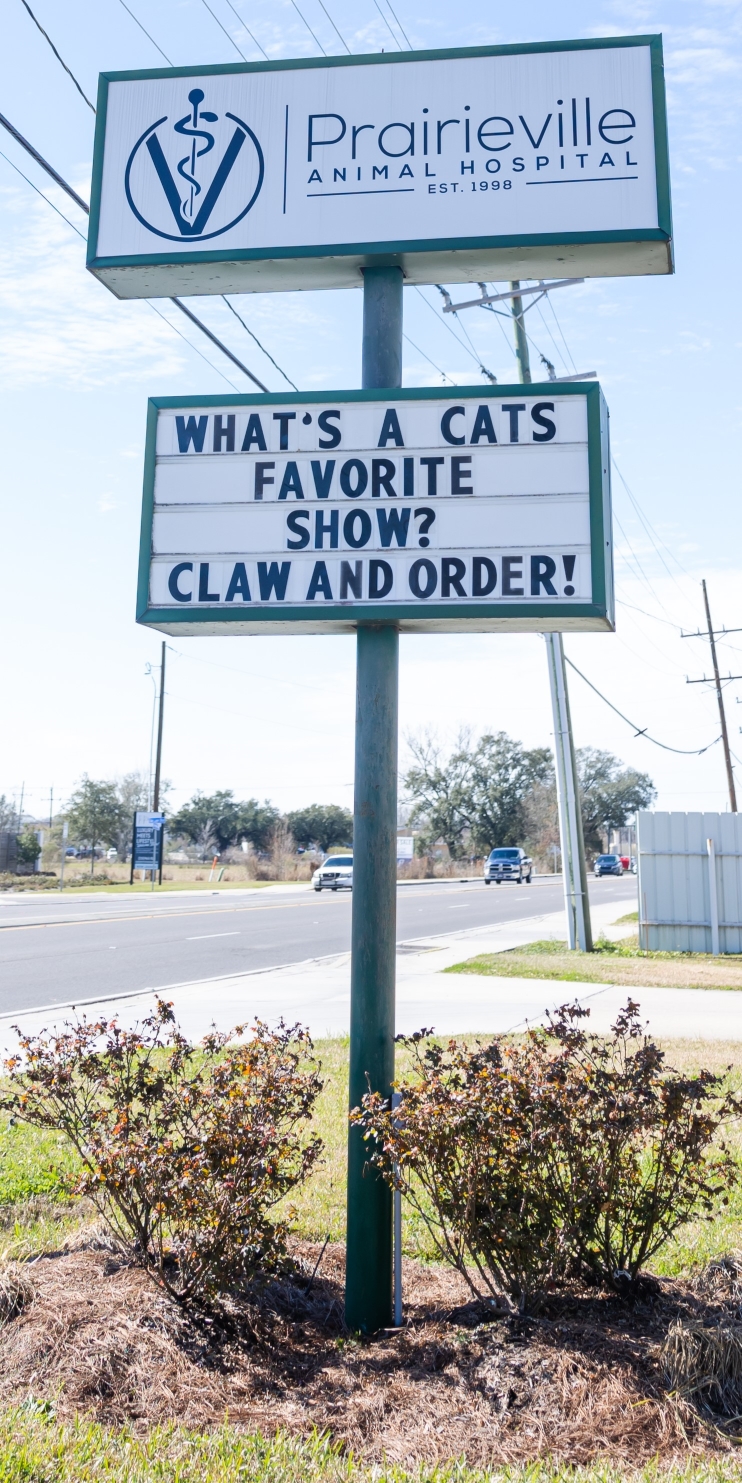
Relationships that endure
The practice’s strength lies in relationships that last beyond a single visit. Owners who commute home from work with a tired dog that needs a quick walk are likely to return for a preventive exam rather than wait for a health scare to force action. Families with a newborn will want to coordinate vaccines and discuss safety around a dog that is still learning to share space. In these moments, the hospital’s longevity is a direct outcome of listening well, documenting thoroughly, and following up with care that feels instinctive rather than compulsory.
A final note on growth and continuity
Prairieville Animal Hospital does not rest on a single formula for success. It grows by paying attention to what the community needs, whether that is same-day appointments for urgent concerns, flexible payment options, or educational resources about preventive care. The team remains curious about better ways to communicate, to reduce fear in anxious pets, and to support owners who juggle work, family, and the responsibilities of pet ownership. Growth does not have to mean more tests or more expensive care; it can mean refining processes, sharpening communication, and investing in better home care guidance that makes life easier for pet and owner alike.
In the end, comprehensive pet care is about more than medicine. It is about building a partnership that recognizes the animal as part of a family and the family as part of a broader community. Prairieville Animal Hospital embodies that approach through the everyday discipline of good routines, thoughtful explanations, and a shared commitment to the animals who rely on them. For pet guardians navigating the complexities of care, the hospital represents a steady point of reference—a place where expertise and empathy converge, where questions are welcomed, and where the goal is clear: to help every animal live a longer, healthier, happier life within the rhythms of a busy household.
If you are seeking a veterinarian who treats clinical questions with steady judgment and treats families with practical respect, you will recognize the value in a clinic that has learned to balance skill with sensitivity. The work is not glamorous in the way theater is, and it does not demand dramatic storytelling. It demands something more durable: reliability, open communication, and a respect for the plain realities of pet care. In Prairieville, that is how comprehensive care becomes a daily habit rather than a once-a-year event. It is a philosophy you feel the moment you walk through the door and hear a staff member greet you by name, the moment a clinician explains a diagnosis without condescension, and the moment a plan comes together in a way that makes sense for your life and your pet.