Prairieville Animal Hospital Animal Hospital: The Role of Nutrition in Pet Longevity
@sethfkja059
September 30, 2026 · 14 min read
Nutrition sits at the center of a long and healthy life for pets the way sunlight anchors a garden. At Prairieville Animal Hospital, we’ve watched countless cases play out over years of practice. When a dog suddenly loses energy or a cat suddenly drinks more water than usual, the first question often becomes, what is this pet actually eating, and how is that food serving or undermining longevity? Food is not a single focus in a vaccination schedule or a dental cleaning plan. It is an ongoing, daily investment that accumulates in body condition, organ health, and resilience against disease. A thoughtful approach to nutrition blends science with lived experience, balancing what a pet needs with what a family can sustain.
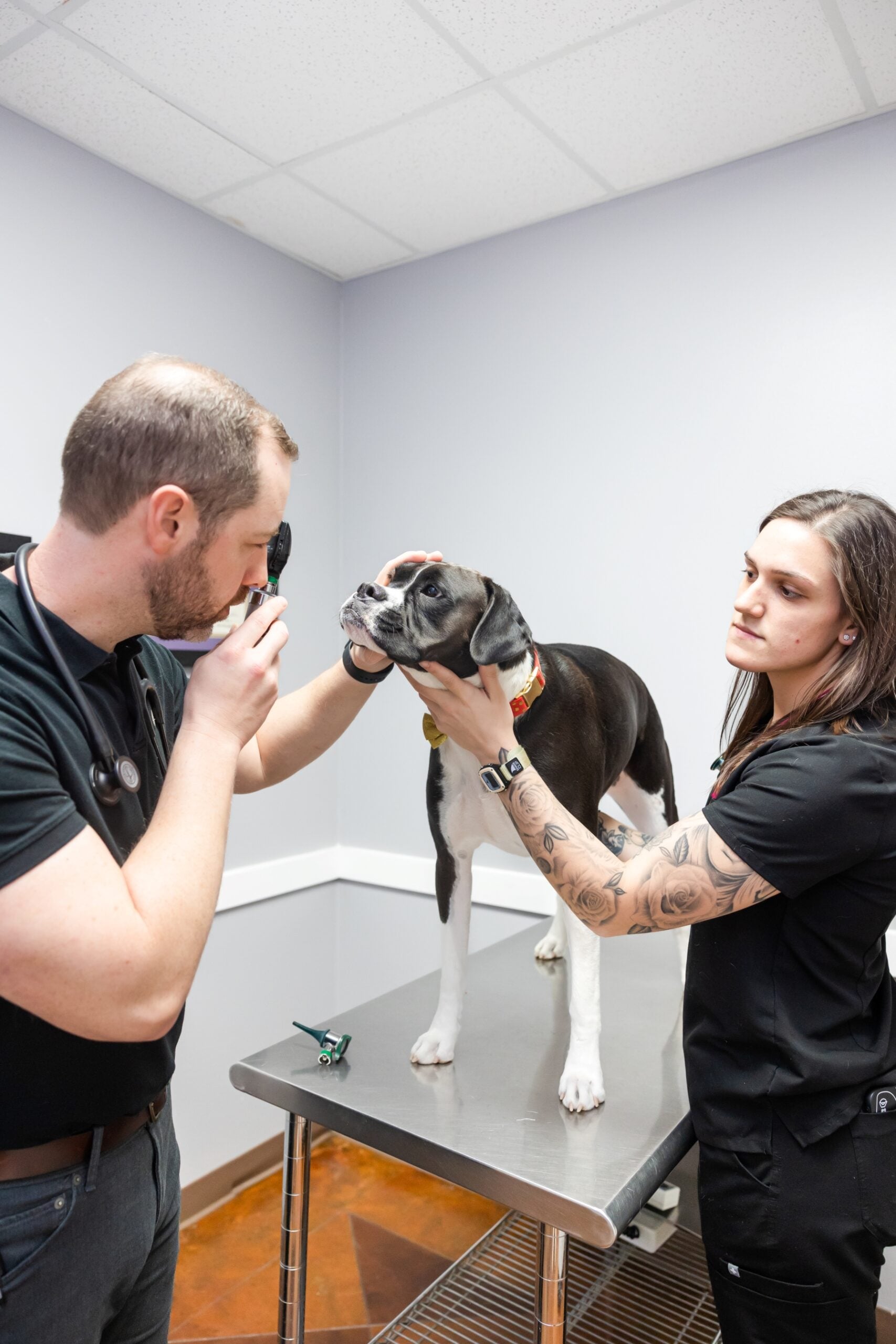
The idea that nutrition shapes lifespan is both intuitive and data driven. Pets metabolize nutrients in ways that echo their wild ancestors, but their lives unfold in apartment living rooms, busy households, and the variable schedules of modern owners. An appropriate diet for a thirty-pound mixed-breed dog requires different energy, protein, and micronutrient targets than a senior cat with chronic kidney disease. The challenge—and the opportunity—lies in translating veterinary nutrition into practical daily choices that fit real lives.
A practical starting point is recognizing that longevity is not a single silver bullet achieved by a single decision. It rests on consistent patterns: consistent feeding routines, portion control, routine preventive care, and timely adjustments as a pet ages or experiences health changes. In this sense nutrition acts as a long-term repair and maintenance system. It influences body weight, muscle mass, coat quality, gut health, and immune function. The payoff shows up not only in longer years but in more comfortable years, with fewer episodes of pancreatitis, fewer arthritis flare ups, and less metabolic strain on organs.
The nuance comes from understanding that nutrition is not one diet fits all. A 10-year-old Labrador whose activity level has dropped from running in the yard to casually ambulating around the living room has different energy requirements from a 2-year-old border collie actively working sheep. A cat with early kidney changes needs a diet tailored to reduce kidney workload, whereas a healthy adult cat does not. The veterinary nutrition landscape has grown more sophisticated, offering a spectrum of options including weight management formulas, renal supportive diets, and meals designed to support joint health. The goal at Prairieville Animal Hospital is not to chase every new trend but to create evidence-informed plans that align with the pet’s physiology, the owner’s resources, and the family routine.
Real-world decision making starts with a comprehensive picture. We begin with a complete health snapshot: current weight and body condition score, activity level, age, breed tendencies, and any chronic illnesses. Each factor nudges the nutrition plan in a different direction. For example, a middle-aged dog with early degenerative joint disease may benefit from moderate caloric restriction to manage weight as well as supplements or dietary calcium and phosphorus balance to support bone health. A middle-aged cat with obesity and mild hypertension could benefit from higher protein content and controlled sodium intake to support lean mass and blood pressure. The specifics matter because they translate into measurable outcomes over months and years. A well-managed plan can slow the progression of chronic diseases, reduce the risk of acute medical episodes, and improve overall well being.
As with any medical decision, we start with what works in practice. In the exam room or at home, sustainable nutrition means predictable meals, appropriate portion sizes, and consistent monitoring. We do not rely on a single product slogan or a miracle ingredient. Instead, we couple veterinary guidance with the realities of a household: how many meals a day the family can prepare, whether the pet has allergies or dental issues, and how much time a owner has for measurement and preparation. The most successful plans feel ordinary in their steadiness. They are not dramatic; they are reliable.
A word about the nutritional science behind longevity. The field has shifted away from “one-size-fits-all” feeding toward phenotype and disease tailored plans. We consider macronutrient ratios and micronutrient sufficiency, but we also account for how a pet’s gut microbiome, genetics, and metabolic rate influence nutrient needs. Calorie density and portion control remain central levers. It is not simply about feeding more or less; it is about feeding smarter. This means balancing energy intake with energy expenditure while ensuring essential nutrients are delivered in amounts that support tissue maintenance, organ function, and immune resilience.
What does this look like in daily life? A spectrum of scenarios unfolds, but a few shared themes emerge. First, consistency matters. Dogs and cats thrive when meals occur at roughly the same times every day, with portions adjusted as weight trends move up or down. Second, variety matters in a controlled way. A stable diet does not require a kitchen full of novelty; it requires predictable, balanced meals that satisfy palatability and digestion. Third, monitoring is a recurrent theme. Weight trends, energy levels, stool quality, and coat condition all whisper signals about how well a diet is working. When any of these cues drift, it is prudent to revisit the plan rather than wait for a crisis to emerge.
The modern pet owner has access to an impressive range of options. We see high quality commercial diets that are scientifically formulated to meet AAFCO nutrient profiles for dogs and cats, plus veterinary therapeutic diets designed to address particular disease processes. There is a place for homemade meals under certain conditions, provided they are designed with veterinary guidance to ensure protein quality, essential amino acids, minerals, and vitamins are balanced. And there are supplementation choices, from omega-3 fatty acids to joint-support compounds, that can complement a well-balanced diet. The practical challenge is to separate genuine, clinically meaningful options from shiny marketing claims. We help families interpret labels, weigh costs, and pace introductions so the transition does not disrupt digestion or appetite.
Throughout a pet’s life, nutrition acts in concert with preventive care. Weight management is one of the most powerful, if often underappreciated, tools for extending healthspan. Studies across multiple species show that maintaining an optimal body condition reduces risk for orthopedic disease, metabolic disorders, and certain cancers, while preserving mobility and self-care behaviors in old age. In practice, we see a patient whose weight was creeping upward over a year begin to move toward a healthier range after a targeted feeding plan and a consistent exercise routine. The dog is not suddenly younger, but the joints behave differently, the energy returns, and the owner notices a more engaged companion. That is the direct mercy of good nutrition.
The aging process adds complexity. Senior pets frequently require adjustments to protein levels, energy density, and minerals to account for changing kidney function, muscle mass, and dental status. A mature dog may benefit from slightly higher protein to preserve lean mass, but that must be balanced with kidney health in pets with chronic disease. A senior cat might need more easily digestible calories and a careful mineral balance to support kidney and bladder health. These decisions are not theoretical exercises; they are ongoing conversations with owners about what is feasible and what is medically advisable. The hospital team at Prairieville Animal Hospital works with clients to monitor trends, adapt plans, and maintain quality of life as life expectancy increases.
In this landscape of options and considerations, one simple framework helps owners navigate daily choices: portion, quality, and consistency. Portion means aligning caloric intake with body condition and activity. Quality refers to the digestibility and nutrient density of the chosen diet and to the adequacy of essential micronutrients. Consistency means making the plan a routine that can survive the inevitable busy days and occasional travel. When these elements align, dogs and cats move through life with steadier energy, steadier weight, and more predictable health trajectories.
The conversation about nutrition is also a conversation about the family’s resources and constraints. A single household might prioritize budget-friendly options while another seeks ultra-premium diets for specific disease states. There is no universal right answer, but there is a right approach: collaborative decision making guided by veterinary expertise. Communicating expectations clearly helps owners feel empowered rather than overwhelmed. It also builds a shared sense of accountability that supports adherence to the plan when life gets hectic.
What practical steps can families take this week to improve their pet’s long-term health through nutrition? The following guidance reflects years of clinical experience and daily interactions with pets and their people.
- Track weight and body condition weekly or biweekly for several weeks when changing diets or starting a new plan. Small, gradual adjustments are easier to sustain and less disruptive than abrupt shifts.
- Choose a diet that matches life stage and health status but be prepared to reassess as the pet ages or as medical conditions evolve.
- Prioritize protein quality and digestibility. For many pets, a protein source with high biological value supports muscle maintenance and overall vitality.
- Monitor urine and stool patterns. Changes can indicate mismatched energy density, fiber content, or hydration status, all of which can influence longevity.
- Lean into preventive care. Nutrition, dental health, vaccination, and parasite control together frame a longer, healthier life.
These steps are not one-time actions but ongoing commitments. They require a partnership between the owner, the veterinarian, and sometimes a pet nutritionist. The best plans emerge when all voices are heard and every decision is anchored in the pet’s real needs and the family’s practical realities.
The specifics of Prairieville Animal Hospital’s approach reflect a blend of evidence, experience, and careful listening. We emphasize clear, actionable plans rather than abstract ideals. If an owner asks for a precise caloric target, we provide a number grounded in bench marked guidelines and tailored to the pet’s current weight and activity. If a family asks about a popular new diet, we evaluate the nutrient profile, discuss potential risks, and propose a cautious trial with close monitoring. If a senior dog presents with mild kidney changes, we discuss the benefits and trade offs of a renal-supporting diet, alongside a plan to track kidney values, weight, and appetite over several months.
Education matters as well. We avoid jargon, but we do not pretend that nutrition is simple. There are no miracle diets that magically reverse all aging processes. There are, however, practical routines that protect the organs, preserve muscle, and maintain a pet’s joy in everyday life. The approach is to treat nutrition as a long-term investment with visible, meaningful returns over time. We have seen families celebrate small but real improvements: a dog who runs a little more during a Sunday walk, a cat who maintains a healthy weight despite a busy feeding schedule, a senior pet that remains curious and engaged well into its golden years.
We also recognize the emotional dimension of feeding. Food is not just fuel; it is a daily ritual that signals care and attention. A responsible approach to nutrition respects the bond between pet and owner while upholding scientific rigor. It means offering choices, but with boundaries that protect health. It means encouraging mindful feeding practices—smaller, more frequent meals for certain pets, or timed meals to control grazing and obesity. It means acknowledging when a family’s pet boarding near me circumstances require a practical compromise, such as accepting a slightly slower weight gain in a growing puppy to avoid rapid dietary changes that could upset digestion.
In a broad sense, longevity through nutrition is about resilience. A well nourished animal copes better with stressors, recovers more efficiently from illness, and maintains the capacity to engage with the world on its terms. The body stores energy for lean times and uses energy efficiently for everyday needs. Muscle mass supports mobility and metabolic health, while robust nutrition supports immune function during infections or chronic disease management. The cumulative effect is not a dramatic leap but a series of small advantages that accumulate over months and years.
What about the limits? Not every pet will live longer than average, nor should we pretend that nutrition alone will overcome all health challenges. Genetics, environment, and access to medical care all shape outcomes. A well designed diet can buffer some risks, but it must be part of a broader, integrated strategy that includes exercise, dental care, timely vaccines, parasite control, and regular veterinary checkups. In practice, a patient may still experience disease progression, but a thoughtful nutrition plan can minimize discomfort, preserve function, and extend the period of vitality between health crises. That is an outcome worth pursuing with care and consistency.
To illustrate the kind of careful, nuanced decisions that come up in clinic, consider a few common scenarios that our clients face. A middle-aged dog with obesity and mild arthritis often benefits from a calorie restricted, high quality protein diet that also includes joint supporting nutrients. We might pair this with a structured walking plan and a monitoring schedule to ensure weight loss proceeds gradually, avoiding the stress of rapid changes on a senior dog’s joints. A cat with early kidney changes may need reduced phosphorus and controlled protein, plus careful hydration strategies to support kidney workload. In both cases, we stress that a plan is never static. We review lab values, weight trends, appetite, and activity at regular intervals and adjust as needed.
The broader nursing and veterinary team within Prairieville Animal Hospital plays a crucial role in translating nutrition science into daily life. We lean on the collaboration of veterinarians, veterinary technicians, and nutrition consultants to build a plan that is practical, palatable, and sustainable. Our goal is to empower families with knowledge and tools they can use week after week. We provide feeding guidelines, portion calculators, and checklists that owners can reference while at home. We teach how to read labels, what terms to look for, and how to recognize red flags that might require a re evaluation. This is not about restricting joy; it is about protecting health while maintaining a pet’s quality of life.
The long arc of longevity is a difficult metric to measure in the moment. Yet, as veterinarians, we witness subtle transformations that accumulate over time. A dog that remains playful into its ninth year, a cat that maintains a comfortable gait after a decade, a horse or small mammal that shows resilience during illness or aging—these are the signals that a thoughtful, consistent nutrition plan has real, meaningful impact. The path to that outcome is not a perfect diet or a miracle cure. It is a habit built on knowledge, patience, and partnership.
For families who want to take the next step, here are practical checkpoints to discuss with your Prairieville Animal Hospital veterinarian. They are designed to be concrete, not theoretical, and they respect the realities of everyday life.
- Set a realistic target for weight change over a two to three month window. Small changes are more sustainable and less likely to provoke stress or discomfort in your pet.
- If you plan to switch diets, do so gradually over seven to ten days to minimize digestive upset. We can guide you with a transition plan tailored to your pet’s digestion.
- Keep a simple log of meals, weight, and notable changes in energy or mood. The data helps us refine the plan without guesswork.
- Consider a short trial of an otherwise standard diet with a veterinary supplement if joint comfort or skin health is a concern. We assess these trials carefully for benefits and potential interactions.
- Stay attuned to dental health. Chewing is a major nutrition channel, influencing how a diet is processed and absorbed. If dental disease is present, we address dietary texture and accessibility to ensure comfortable feeding.
These steps are not heavy-handed prescriptions. They are practical frames for action that fit into ordinary routines. The beauty of this approach is that it can be customized to almost any household. A crowded urban apartment, a rural farm, a family that travels frequently, or a home with a non traditional schedule—all of these environments can support longevity through nutrition with the right plan and the right support.
In closing, nutrition is a living discipline in veterinary medicine. It evolves as we learn more about how nutrients behave in pet bodies, as we observe changes with aging, and as families discover what is sustainable for them. Prairieville Animal Hospital is committed to turning the science of pet nutrition into everyday wisdom. We aim to translate research into practical steps that families can implement without feeling overwhelmed. The result is a partnership built on trust and shared goals: keep pets healthy longer, maintain their zest for life, and celebrate age with dignity and comfort.
If you are seeking guidance about your pet’s diet, reach out to the team at Prairieville Animal Hospital. We will listen to your daily realities, review medical history, and tailor a nutrition plan that respects both the science and the uniqueness of your companion. The path to longevity is paved with informed choices, steady routines, and a commitment to keeping your pet active, comfortable, and engaged in everyday moments that matter.