Prairieville Animal Hospital Pet Wellness Exams: What They Include
@sethfkja059
September 30, 2026 · 17 min read
Pet wellness exams are the backbone of preventive care in a busy clinic, and at Prairieville Animal Hospital they’ve become a reliable touchstone for pet families. I’ve watched enough seasons shift from the first frightful visit of a puppy or kitten to the steady comfort of a mature animal whose health remains verifiable through regular checks. The wellness exam isn’t a single moment in time; it is a sequence of small, purposeful observations that accumulate into a clear picture of an animal’s health trajectory. When I think back to early days in practice, the difference between a reactive visit and a proactive wellness check is obvious. The clinic’s approach is practical, grounded in everyday clinical work, and designed to fit real life for owners who juggle work, school, and a house full of furry personalities.
Understanding what a pet wellness exam includes helps families prepare and participate meaningfully. It is not a blank slate where the veterinarian simply ticks boxes. It is a guided conversation about current behavior, appetite, energy levels, and any subtle changes that might have crept into daily life. The exam starts the moment the pet enters the room. It continues as the veterinary team gathers history, observes gait and posture, and proceeds through the physical examination with a calm, methodical rhythm. The goal is to catch problems early, before they become obvious distress or costly treatment. It is also a moment to reinforce vaccinations, dental care, parasite prevention, and the small daily habits that matter for long-term wellness.
From the client’s perspective, the most valuable part of a wellness exam is predictability. Families know that a thorough check will cover essential systems without turning into a crisis scenario. They know the team will explain options in clear language, outline costs up front when feasible, and tailor recommendations to the pet’s age, breed, lifestyle, and medical history. The reality in Prairieville is that wellness exams are not rote. Even within a standard template, the clinician’s notes reflect the pet’s individuality. A cat with a history of calm behavior might be handled with gentler restraint and shorter durations, while a high-energy dog may require more movement and a broader assessment of musculoskeletal function. The same could apply to a senior animal whose exam plan emphasizes arthritis management, cognitive changes, and nutritional adjustments.
A wellness exam hinges on a shared understanding between the owner and the veterinary team. The client provides context: a dog whose daily walk has become labored or a cat whose appetite has waned. The veterinarian looks for concrete signals: is there a yearly rise in respiratory rate or a subtle change in weight? Are the teeth showing early signs of gingivitis or calculus that could warrant a dental cleaning in the near term? The answers inform a personalized plan, and that plan is where the real work begins. It might be as simple as scheduling a dental prophylaxis alongside routine vaccines, or it might involve a more nuanced strategy that includes diet modifications, exercise goals, and a chronic disease management framework.
The intake process often yields a surprisingly practical payoff. A client who has been unsure about the vaccine schedule leaves with a clear explanation of what each vaccine does, why timing matters, and how to read the pet’s reaction after administration. The team at Prairieville explains, sometimes with a quick doodle or a simple chart, the rationale behind each recommendation. This clarity matters because vaccines are not a one-size-fits-all matter. Exposure risk, travel plans, age, and prior health history all weigh into the decision. The same attention applies to parasite control. The clinic’s approach typically includes discussion of heartworm prevention, flea and tick control, and intestinal parasites, with a plan that aligns with the pet’s lifestyle and the owner’s ability to maintain a schedule.
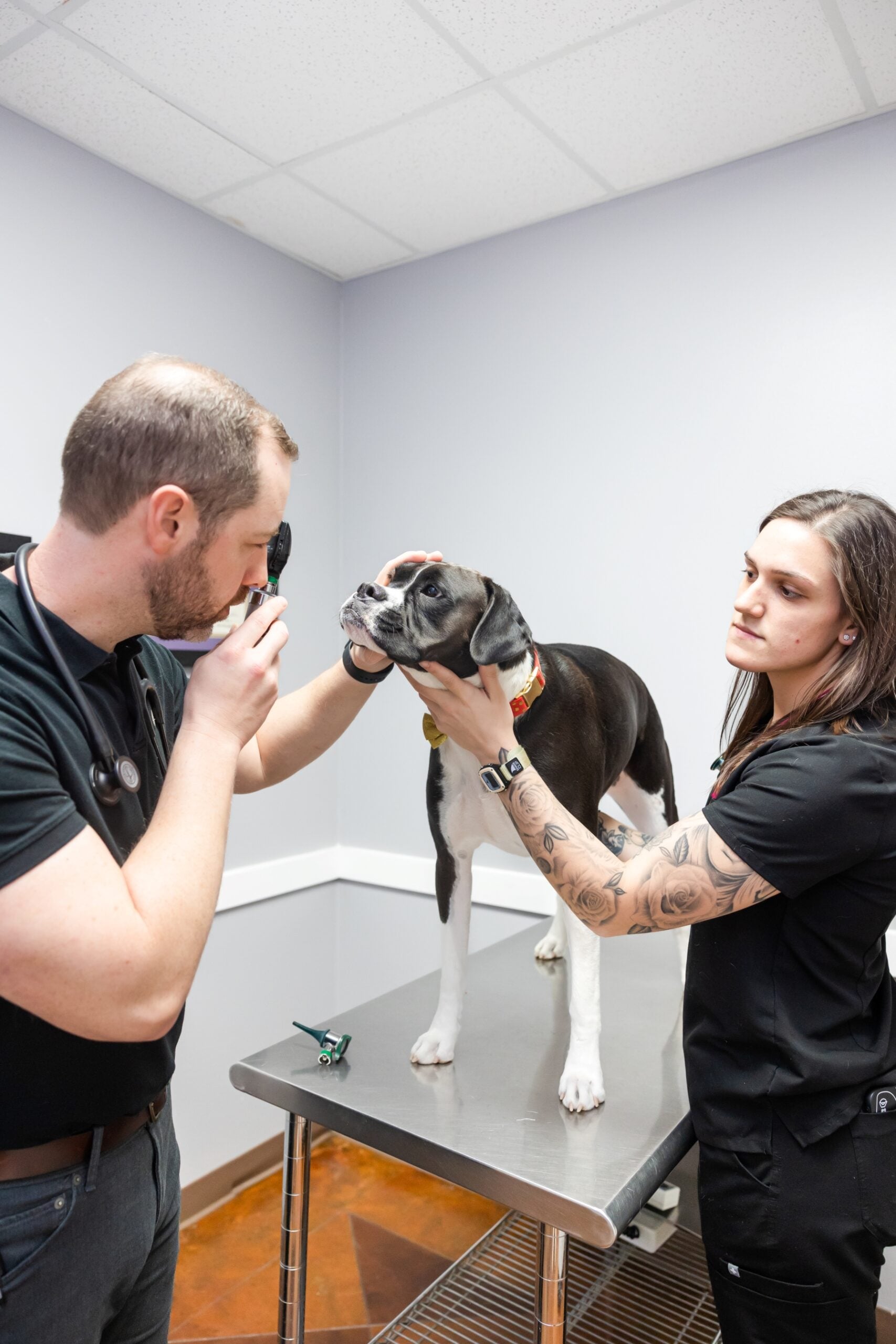
Moving through the examination, the veterinarian will systematically evaluate each organ system while observing the pet’s behavior in the room. A seasoned vet will also listen for subtle cues from the animal’s body language. Is the tail tucked too tightly for comfort, suggesting anxiety or pain? Does the dog show stiffness after a few minutes of movement, indicating early arthritis? The real value comes from the quiet moments between tests: the owner holding a paw steady while the vet palpates the joints, the pet’s slow blink as a sign of comfort, the gentle, reassuring tone used to guide the animal through a potentially unfamiliar routine. In Prairieville, the team emphasizes that the exam is not just about the moment but about setting a baseline. Baselines help track changes year over year, which is how minor health shifts become meaningful data rather than cause for alarm.
What a wellness exam covers in practical terms can be categorized across several interrelated domains. The physical exam forms the spine of the visit. The clinician checks heart and lungs, listens for murmurs or abnormal breath sounds, and notes the rate and rhythm of the heartbeat. The abdomen is palpated to detect organ size and tenderness, and the dental exam looks for halitosis, gingival inflammation, and calculus. The eyes and ears are inspected for clarity and signs of infection or inflammation, while the nose and mouth are evaluated for discharge or lesions. The skin and coat are examined for parasites, allergies, or abnormalities such as masses or rashes that might otherwise go unnoticed. Weight is recorded, and a body condition score is assigned to help the owner gauge adjustments in nutrition or activity.
The lab component of a wellness exam in many clinics, including Prairieville, complements the mechanical checks with data that might reveal issues not yet visible externally. A basic panel can include a blood workup to assess organ function, hydration status, and metabolic indicators. Urinalysis provides a window into kidney function and potential urinary tract concerns. For older pets or those with certain risk factors, screening tests for thyroid function, diabetes, or early kidney changes may be appropriate. The aim is to balance the benefit of early detection with the risk of unnecessary testing. In practice, the team discusses the potential yield of tests based on age, breed, and health history, and they tailor the plan to the pet’s current needs rather than to a rigid protocol.
Another essential piece of wellness care is preventive dentistry. Dental health affects overall well-being, influencing appetite, sleep quality, and systemic inflammation. There is a practical philosophy at Prairieville: keep the teeth clean not just for a bright smile, but to support heart and kidney health down the line. During the exam, the veterinarian may recommend a dental cleaning or a home dental care plan, including brushing techniques, the use of dental diets or chews, and routine rechecks. The realities of pet behavior and owner capability come into play here. For some households, a dental cleaning under anesthesia is the most efficient way to remove tartar and assess gum health. For others, enhanced home care, regular brushing, and occasional professional cleaning are the preferred path. The conversations around dentistry are concrete and forward looking, acknowledging that dental disease is more common than people realize and that early action saves discomfort and expense later.

The education and guidance portion of a wellness visit is where ownership becomes part of the treatment plan. Owners leave with a clear sense of what signs warrant an immediate call to the clinic. A sudden increase in thirst or urination, a persistent coughing episode, vomiting after meals, or a drop in appetite are all red flags that merit prompt attention. The team emphasizes that not every symptom requires an emergency visit, but timely communication helps prevent escalation. Practical takeaways appear in the form of seasonal reminders as well. In the heat of summer, hydration and stress management become critical for dogs with limited outdoor time, while in cooler months, joint protection and weight management can become more pressing for older or more sedentary pets. Seasonal vaccines and parasite control regimens often shift in response to local climate patterns, and Prairieville’s clinicians are careful to reflect current weather and local disease exposure in their recommendations.
The format of the visit can sometimes influence how information is absorbed. A well-run wellness exam unfolds as a conversation rather than a monologue. The veterinarian shares findings as they become available, explaining what a particular heart murmur might imply and how significant a specific dental finding is. The client is invited to respond with questions about practicality, cost, and feasibility. If a pet is enrolled in a preventive care program or wellness package, the veterinarian can reference the plan and show where the current visit fits within that broader framework. The overarching logic here is to maximize understanding and to facilitate decisions that align with the family’s values and budget, while still prioritizing the animal’s health trajectory.
Exam days are not just about the pet; they are about the people who care for them. Owners often carry a mix of pride and worry into the exam room. They want to do right by their companion, but they may feel overwhelmed by choices, especially when the pet is young and the future feels unpredictable. Prairieville’s clinicians meet that moment with a steady, honest approach. They acknowledge uncertainty where it exists, present options with practical costs, and help owners chart a course that balances immediate needs with long-term health goals. In many ways, the wellness exam becomes a collaborative blueprint rather than a single diagnostic event. When the appointment is finished, families often leave with a written or digital summary of findings and a realistic plan to implement over the coming weeks and months.
The veterinary team understands that routine care is not a ritual its owners endure, but a habit that yields tangible rewards. Regular wellness exams help identify obesity risk, dental deterioration, or early digestion issues that could be addressed with lifestyle changes rather than unpredictable medical events. The clinic’s approach to nutrition counseling is evidence-based and individualized. It takes into account age, activity level, breed tendencies, and any chronic conditions. A dog with a tendency toward weight gain might need a calorie-controlled plan, whereas a senior cat may benefit from a diet enriched with renal-friendly minerals. The discussion remains practical, focusing on small, manageable steps that accumulate over time. The outcome is not a dramatic transformation overnight but a steady improvement in day-to-day well-being that the family can observe.
The real-world impact of wellness exams is often measured by what happens between visits. Owners report that their pets are more engaged, less lethargic, and easier to handle during routine care after establishing a consistent wellness schedule. The staff at Prairieville frequently shares that clients who commit to seasonal vaccines, parasite prevention, and dental care tend to see fewer episodes of acute illness and a smoother path through aging. This is not a marketing claim but a lived experience among veterinarians who see how preventive care shifts the long arc of a pet’s life. It also reinforces a sense of partnership with the owner, where shared responsibility yields reliable outcomes.
To give a practical sense of the exam structure without getting lost in the details, here are two concise lookbooks that capture the heart of a typical wellness visit:
- A quick checklist of the core exam components: history update, weight and body condition score, heart and lung auscultation, abdominal palpation, dental assessment, eyes and ears check, skin and coat inspection, limb and gait observation, and vaccination status review.
- The optional but common add-ons that reflect the pet’s risk profile: routine blood work for older pets or at-risk breeds, urinalysis for dehydration or kidney concerns, parasite screening in certain regions, dental cleaning consideration, and a tailored vaccination plan based on exposure risk.
A note on the timing and frequency of wellness exams: many families find value in scheduling a wellness check annually for younger animals and every six months for senior pets or those with chronic conditions. The cadence is not rigid but responsive. A puppy or kitten may require more frequent visits to monitor growth and start early training plans, while a three-year-old healthy dog might settle into a single annual or biannual check, with flexibility to adjust as the pet ages or health status shifts. The benefit of a predictable schedule is the ability to anticipate care needs rather than chasing problems after they appear.
In the end, the wellness exam is about clarity and continuity. It is a careful balance of science and everyday life, a practice that honors the bond between a family and their animal by translating medical knowledge into workable daily routines. Prairieville’s approach, shaped by years of hands-on work and the realities of pet ownership in a real community, aims to keep pets healthy and families confident. The exam is not just a ritual of care; it is a foundation for trust, a resource for planning, and a steady anchor in the unpredictable currents of pet health.
Two aspects stand out from years of clinical practice here. First, the value of documenting a baseline and revisiting it regularly. This becomes the reference point that makes subtle changes easier to recognize. Second, the importance of clear communication. The most successful wellness plans are those where owners feel empowered to participate, ask questions, and implement practical steps at home. When both elements are in place, a wellness exam transcends itself and becomes a durable part of daily life for a family and their companion.
For families curious about specific services tied to wellness care, Prairieville Animal Hospital keeps a comprehensive suite that complements the exam. Vaccinations for pets are scheduled according to lifestyle and risk, with boosters planned to sustain protective immunity over time. Spay and neuter procedures are approached with attention to timing and overall health, especially in younger animals where surgical risk is minimized and recovery is smoother. Pet surgery is available when indicated, with careful preoperative evaluation and postoperative care guidance to ensure comfort and safety. The clinic also emphasizes the essential role of dental care in maintaining overall health, offering both preventive care and more involved procedures when necessary.
In the end, a wellness exam is less about ticking boxes and more about building a practical health roadmap for a pet’s life. It is about a team that knows how to read the subtle signs of aging in an animal, how to explain those signs to an owner in plain language, and how to tailor a plan that works in the ordinary rhythms of everyday life. The sense you leave with is not one of anxiety but of collaboration. You have a partner in care who will walk with you through the changes, adjust when needed, and celebrate the small victories along the way.
If you are preparing for a wellness exam at Prairieville Animal Hospital, there are a few practical steps that help maximize the value of the visit. Bring a current list of medications and supplements, including any vitamins or probiotics. Note any behavioral changes, appetite shifts, or unusual sleeping patterns since the last visit. Bring any questions you may have, even if they seem trivial. A good health plan thrives on curiosity as much as on clinical expertise. Pack a moment to discuss your pet’s daily routine, exercise opportunities, and feeding schedule. The more context you provide, the more precisely the veterinarian can interpret findings and tailor recommendations.
The experience of a wellness exam at Prairieville is as much about the routine as it is about the edge cases. A healthy dog can still benefit from a check that verifies heart health and dental status, a middle-aged cat can benefit from early kidney screening, and a senior pet can gain significant relief through arthritis management and dental maintenance. The care team treats each case with respect for its unique variables, whether those variables involve a long walk on a leash through a humid Louisiana day, a cat who tolerates the carrier with patience, or a young puppy figuring out the rhythm of the world. The wellness exam is a steady practice that anchors health decisions in observation, data, and clear communication.
Two short but important notes on the scope of practice at Prairieville Animal Hospital help set expectations for families. First, wellness exams are designed to be preventive, not punitive. They are a chance to catch developing issues and to fine-tune ongoing care. Second, the exam is a collaborative process, with client input forming a critical part of the care plan. The owner’s daily routine, the pet’s preferences, and the home environment all influence what is recommended and how it is implemented. When you bring these elements into the conversation, the wellness exam becomes less about compliance and more about a shared commitment to the animal’s well-being.
As with any medical service, there are edge cases and exceptions. Some pets present with complex medical histories that require a slightly different approach to the checkup, perhaps more time spent on certain systems, or additional diagnostics that are not routine for every patient. In such circumstances, the veterinary team prioritizes safety and comfort, communicates the rationale for any extra testing, and creates a plan that fits the pet’s temperament and the family’s resources. The end result is a confident, humane plan that respects the animal’s dignity, minimizes stress, and addresses health concerns with practical, real-world steps.
If you are comparing veterinary clinics in Prairieville or nearby communities, you will find that the pet wellness exams at Prairieville Animal Hospital share core elements with other high-quality practices. The difference often lies in the day-to-day execution—the quiet efficiency of the intake, the calm and reassuring handling of anxious pets, the precision with which the clinician documents baseline measurements, and the readiness to translate medical terms into concrete actions that a family can implement. The goal is not simply to diagnose problems but to prevent them, to prepare for the pet’s next stage of life, and to support the family’s long-term relationship with their animal.
Two more reflections from long hours in practice illuminate why this approach endures. One is the value of routine, which creates predictability for families and reduces the emotional toll of veterinary visits. A pet’s health is not a one-off moment; it is an ongoing dialogue between the clinic and the home. The other is the practical acceptance that health care is a budgeted game of trade-offs. Not every recommended test or procedure is a perfect fit for every family, but by framing decisions around risk, benefit, and feasibility, a wellness exam vet near prairieville la becomes a workable plan rather than a barrier.
Ultimately, the wellness exam is a compass. It points toward what matters most: comfort, resilience, and a clear path through age and change. It anchors preventive care in the realities of daily life and keeps the veterinary team honest about what is necessary now and what can wait until later. In Prairieville, the work is grounded in experience, tuned by local conditions, and oriented toward fostering a healthier, happier partnership between pets and the people who love them.
If you would like to learn more about Prairieville Animal Hospital pet wellness exams, the clinic’s team is approachable, knowledgeable, and able to answer questions that arise during and after the visit. From vaccinations for pets to spay and neuter to dental care and more involved surgeries when necessary, the wellness exam is the gateway to a broader, well-managed plan for your companion’s health. The intention is not to overwhelm, but to empower families with reliable information, concrete steps, and a sense of confidence as they navigate the responsibilities of pet ownership.
The journey toward sustained wellness is rarely dramatic in the moment. It unfolds in routine, in small habits, and in the willingness to act when something seems amiss. Prairieville Animal Hospital’s wellness exams exemplify that approach. They are a blend of science and everyday life, crafted by clinicians who understand how a dog’s wagging tail or a cat’s settled purr can reflect a much larger story of health. For families who aspire to keep their pets vibrant and engaged across the years, these exams offer a steady, practical framework that supports both veterinarians and pet owners in doing their best for the animals in their care.